How to Identify and Understand Your Ideal Audience
Understanding your ideal audience is essential to building a successful brand.
#BloomDigitalMedia Brandpositioning AudienceResearch BrandStrategy
06 November 2026
Share


Understanding your ideal audience is essential to building a successful brand.
#BloomDigitalMedia Brandpositioning AudienceResearch BrandStrategy
06 November 2026
Share
Sometimes, the problem is not the quality of your products or the amount of money you invest in marketing. It may be that your brand is not reaching the people who genuinely need what you offer. Imagine running a business, investing in social media advertisements, publishing content consistently, and promoting your products, yet struggling to attract customers. Your posts receive views but little engagement, your website attracts visitors who rarely make enquiries, and your marketing campaigns generate less revenue than expected.
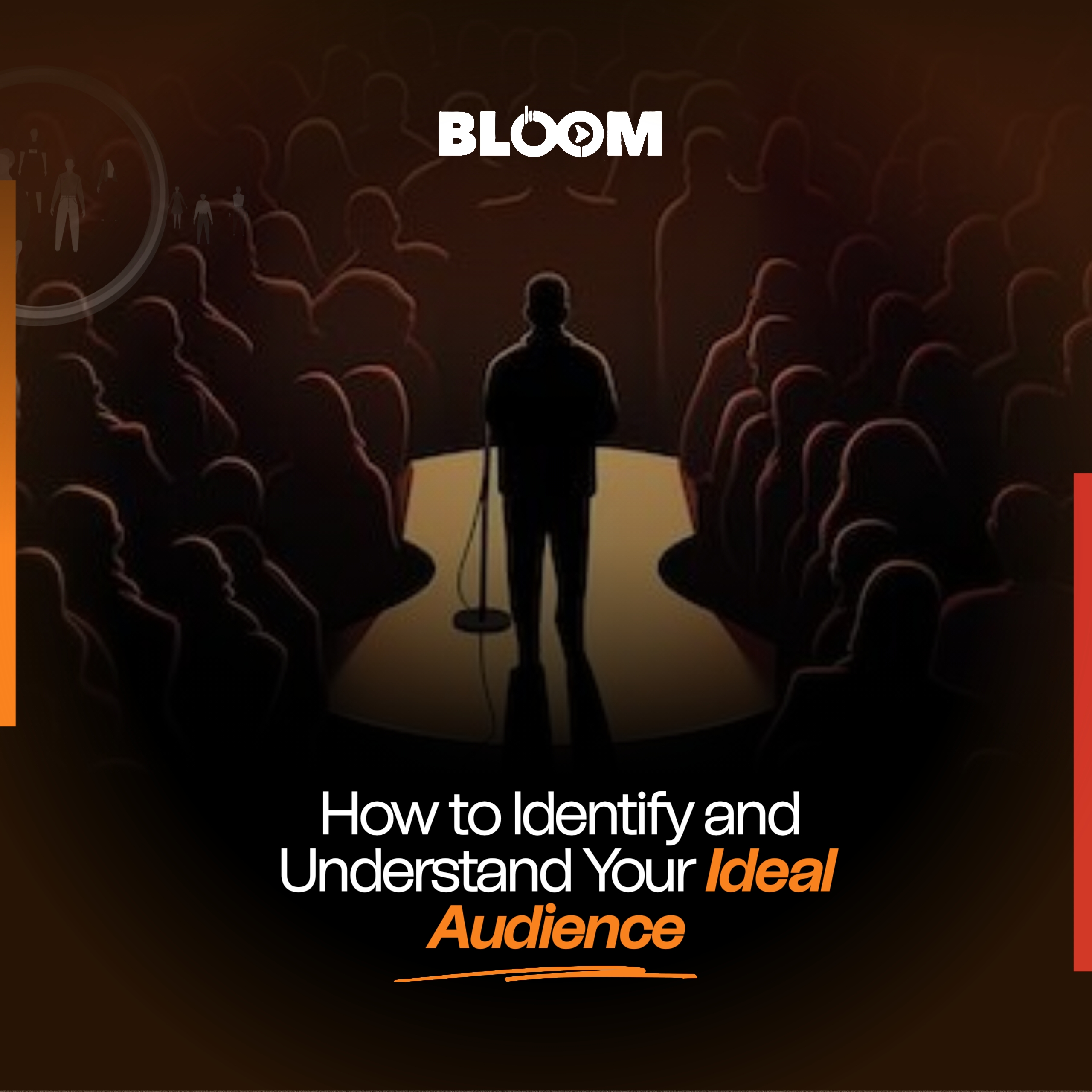
Every successful brand has a group of people it is trying to reach. These are individuals who are most likely to need, appreciate, engage with, or purchase its products and services. Understanding who these people are is one of the most important steps in building a strong brand and creating an effective marketing strategy. Think about it: would you communicate with a university student looking for affordable professional training in the same way you would communicate with a corporate executive seeking business consultancy? Probably not. Although both individuals may be potential customers, their needs, priorities, and expectations are different. This is why successful marketing goes beyond simply promoting what a business offers. It requires understanding the people on the receiving end of the message.
Identifying your ideal audience means understanding who your business is trying to reach and why those people should be interested in what you offer. It involves looking beyond assumptions and general descriptions such as age, gender, and location to understand what motivates people to make purchasing decisions. For example, consider a company that provides digital marketing services. Its potential audience could include small business owners, startups, entrepreneurs, established organisations, and personal brands looking to improve their online visibility. However, these groups do not necessarily have the same expectations. A startup may need help establishing its brand identity, while an established organisation may be looking to improve its brand positioning or reach a new market. Although both businesses require digital marketing support, their challenges and objectives are different.
Understanding your audience helps you develop a clear brand positioning. Brand positioning is about how you want your business to be perceived in the minds of your target customers. To establish a strong position in the market, you must first understand the people you want your brand to appeal to. Consider two businesses offering the same service. One communicates its services to everyone, using general marketing messages that could apply to almost any customer. The other understands its audience and communicates specific benefits that address their needs. Which brand is more likely to make a lasting impression? When you understand your ideal audience, you can identify what makes your brand relevant to them, the problems you solve, and the reasons they should choose you over competitors.
One of the biggest mistakes businesses make is assuming that more marketing automatically produces better results. In reality, marketing effectiveness depends largely on reaching the right people with the right message. Imagine spending money on a social media campaign promoting premium business consultancy to individuals who are primarily interested in free business resources. Although your advertisement may generate impressions and clicks, it may not attract the enquiries or conversions you expect. Understanding your target audience helps you make more informed decisions about your marketing channels, advertising budget, campaign objectives, and communication style. Rather than trying to reach everyone, you can focus your marketing efforts on people who are more likely to be interested in your offerings. This can improve lead quality, reduce wasted advertising expenditure, and create better opportunities for conversion.
People are more likely to connect with businesses that understand their needs and make them feel valued. When your brand communicates with an understanding of your customers' expectations, it becomes easier to build meaningful relationships. Your messages feel more relevant, your products become easier to position, and your customer experience becomes more intentional. Over time, these interactions can strengthen customer trust, encourage repeat purchases, and generate positive recommendations. A successful brand does not simply focus on attracting customers. It also invests in understanding and retaining them.
Every industry has competition, and customers are constantly presented with different products, services, and alternatives. Understanding your ideal audience helps you identify what customers value, what competitors may be overlooking, and where your brand can create a unique advantage. For example, if customers in your industry frequently complain about complicated service processes or poor communication, your business could differentiate itself by providing a simpler, more responsive customer experience. When your brand understands what matters to its audience, it becomes easier to identify opportunities to stand out in a crowded market.
More importantly, remember that understanding your audience is not a one-time activity. As your business grows and the market evolves, your customers' needs, interests, and expectations may change. Regular audience research helps your brand remain relevant, competitive, and connected. At Bloom Digital Media, we believe that every successful brand begins with a clear understanding of the people it serves. Through strategic brand positioning, audience research, and creative communication, we help businesses develop stronger identities and build meaningful relationships with their customers.
Get in touch with Bloom Digital Media and take a more strategic approach to building a brand that speaks to the people who matter most.